Featured
Table of Contents
The five stages of sorrow are denial, rage, bargaining, anxiety, and acceptance. Everybody experiences despair in a different way, and it is necessary to allow people to grieve in their very own method.
It's important to keep in mind that the grieving process can be complex, and it isn't the exact same for every person. These actions might not be followed exactly, or various other sensations may emerge after you believed you were via the phases of grieving. Allowing space to experience sorrow in your very own method can aid you recover after loss.
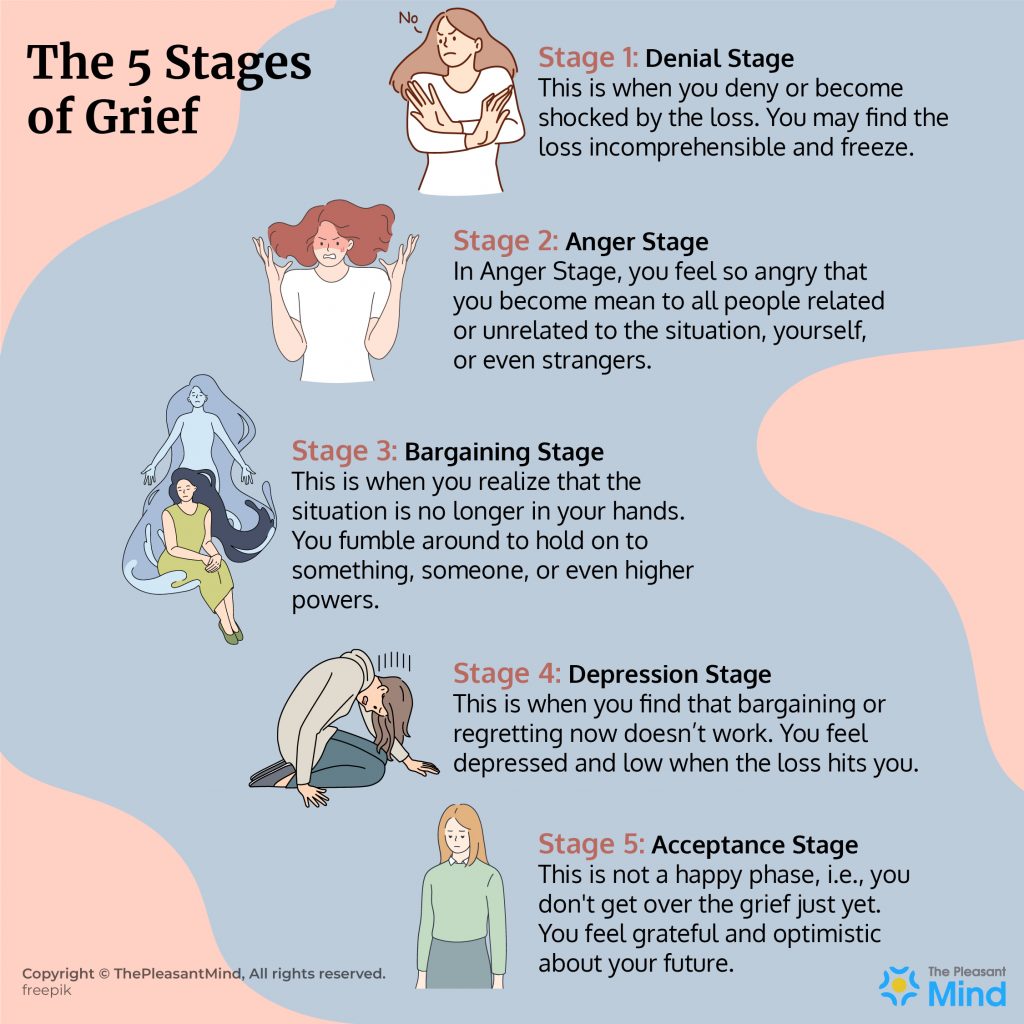
It suggests that we go with 5 unique stages after the loss of a liked one. These phases are denial, temper, negotiating, anxiety, and ultimately approval.
During this stage in grieving, our reality has actually changed completely. It can take our minds time to adapt to our new reality. We review the experiences we've shown to the person we lost, and we may find ourselves questioning exactly how to progress in life without he or she. This is a great deal of info to discover and a great deal of agonizing images to process.
Somatic Approaches for Complex Trauma in Complex PTSD Professionals
Rejection is not just an attempt to act that the loss does not exist. We are additionally attempting to soak up and comprehend what is happening. The second stage in grieving is rage. We are attempting to get used to a brand-new fact and are likely experiencing severe psychological discomfort. There is a lot to process that temper might seem like it permits us an emotional electrical outlet.
It might feel more socially acceptable than confessing we are terrified. Anger permits us to reveal feeling with much less concern of judgment or rejection. Anger additionally often tends to be the very first thing we really feel when starting to release feelings associated with loss. This can leave us feeling isolated in our experience.
During negotiating, we tend to concentrate on our individual mistakes or remorses. We might look back at our interactions with the individual we are losing and keep in mind all the times we really felt disconnected or might have created them discomfort. It prevails to recall times when we may have stated things we did not imply and wish we could return and act in a different way.
During our experience of processing pain, there comes a time when our creativities cool down and we gradually begin to look at the fact of our present situation. Negotiating no longer seems like an option and we are confronted with what is taking place. In this phase of grieving, we begin to really feel the loss of our enjoyed one more generously.
The Link Between PTSD and Perfectionism
In those minutes, we tend to draw inward as the unhappiness expands. We could locate ourselves retreating, being much less friendly, and connecting much less to others regarding what we are experiencing. This is a really all-natural phase in the mourning process, dealing with clinical depression after the loss of a loved one can be extremely separating and among one of the most difficult stages.

When we come to an area of approval, it is not that we no much longer feel the pain of loss. Rather, we are no more withstanding the fact of our situation, and we are not battling to make it something different. Sadness and regret can still exist in this phase.
There is no particular time period for any one of these stages. Someone might experience the stages swiftly, such as in an issue of weeks, whereas another individual might take months or perhaps years to move through the phases of grieving. Whatever time it considers you to relocate through these phases is flawlessly regular.
What EMDR Treatment Creates for Complex PTSD Professionals in San Francisco
You might or might not go via each of these phases or experience them in order. The lines of the mourning procedure phases are commonly obscured. We may likewise move from one phase to an additional and possibly back once again before fully moving right into a new phase. Your pain is special to you, your connection to the individual you shed is one-of-a-kind, and the emotional processing can really feel different per individual.
These versions can provide higher understanding to people who are harming over the loss of an enjoyed one. They can likewise be utilized by those in healing careers, assisting them to provide effective take care of mourning individuals who are seeking informed assistance. Fabulous psychologist John Bowlby focused his deal with investigating the emotional attachment in between moms and dad and child.
British psychoanalyst Colin Murray Parkes developed a design of pain based upon Bowlby's theory of attachment, recommending there are 4 phases of grieving when experiencing the loss of a liked one:: Loss in this phase really feels difficult to approve. Many closely pertaining to Kbler-Ross's phase of denial, we are bewildered when attempting to deal with our feelings.
: As we process loss in this stage of grief, we might begin to try to find comfort to fill the void our enjoyed one has left. We may do this by experiencing again memories via images and searching for indications from the individual to really feel linked to them. In this stage, we end up being extremely busied with the person we have actually lost.
The Link Between Trauma and Excellence-Seeking
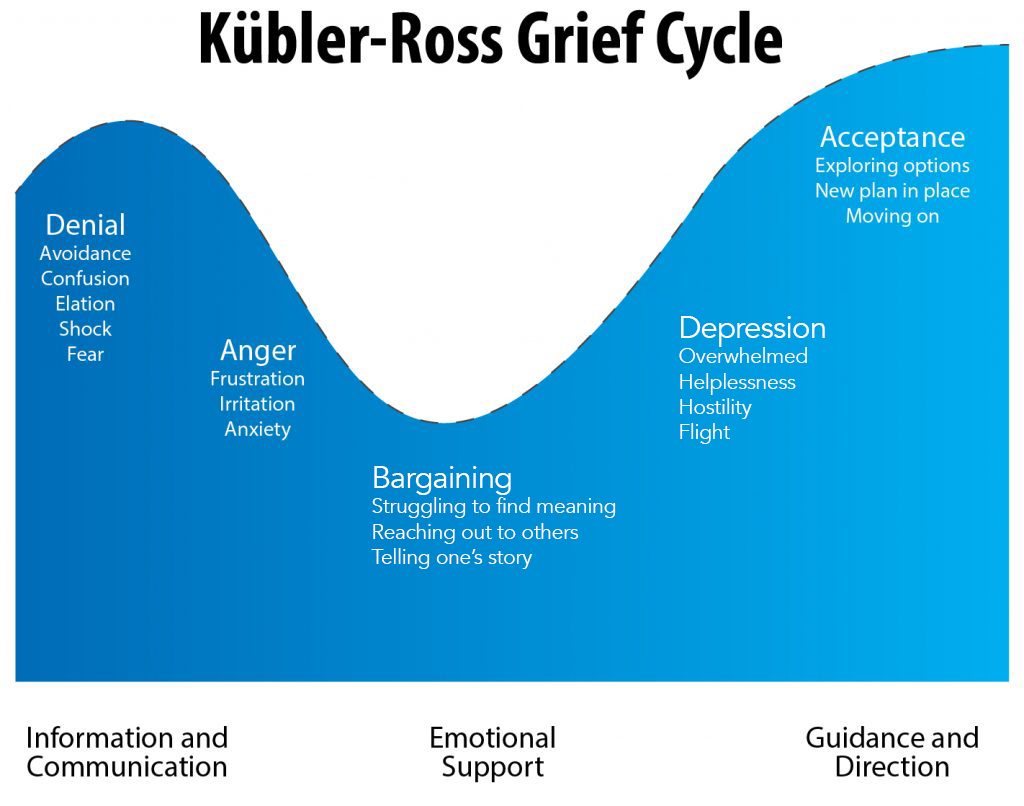
The realization that our loved one is not returning really feels real, and we can have a hard time recognizing or discovering hope in our future. We may really feel a little bit aimless throughout this part of the grieving procedure and hideaway from others as we refine our pain.: In this stage, we really feel more hopeful that our hearts and minds can be brought back.

Latest Posts
Transforming Self-Critical Patterns
How Ensures Transformative Couples Counseling Different
Why Grief Impacts Anxiety