Featured
Table of Contents
- – The Hidden Connection In Between OCD and Trauma
- – When Anxiety Becomes Much More Than Worry
- – EMDR: Reprocessing Injury to Lower OCD Symptoms
- – Brainspotting: Accessing Deeper Trauma Patterns
- – Supporting Kids and Teens Via OCD and Trauma
- – Browsing Pain While Managing OCD
- – Finding Integrated Therapy That Functions
When intrusive thoughts take control of your mind, when obsessions determine your day-to-day routine, or when past injury leaves you trapped in cycles of anxiety-- it's very easy to seem like you're dealing with an invisible opponent. Obsessive-Compulsive Condition and trauma often link in methods that make complex both diagnosis and therapy, producing an internet of signs that can really feel difficult to run away. Understanding this partnership is the initial action towards discovering effective assistance that addresses the root causes as opposed to simply handling symptoms.
The Hidden Connection In Between OCD and Trauma
OCD and trauma do not constantly arrive separately. Study increasingly reveals that stressful experiences-- especially throughout childhood-- can set off or worsen OCD symptoms. The hypervigilance created as a survival feedback to trauma can change into obsessive monitoring actions. The requirement to control an unpredictable setting throughout stressful periods can progress into stiff compulsions that guarantee (yet never ever deliver) a sense of safety.
Numerous people do not realize their OCD signs and symptoms are trauma-related since the connection isn't obvious. You could not remember a certain stressful occasion, yet your nerves brings the imprint of chronic anxiety, emotional forget, or ongoing instability. Your mind learned that consistent watchfulness and control rituals might protect against something negative from happening-- a coping system that once served you today holds you hostage.
The overlap creates a difficult clinical picture. Pure OCD therapy techniques may not completely deal with symptoms when unprocessed injury proceeds to sustain the stress and anxiety driving obsessions. In a similar way, trauma treatment that does not deal with OCD-specific patterns might leave you with invasive thoughts that stand up to standard trauma treatment protocols.
[:specialty]When Anxiety Becomes Much More Than Worry
Anxiousness conditions and OCD feed on a spectrum, yet they're not similar. Generalized stress and anxiety includes excessive stress over real-life issues-- your health, financial resources, connections. OCD includes invasive thoughts that really feel unusual and troubling, frequently paired with compulsions carried out to reduce the effects of the stress and anxiety these thoughts produce.
For somebody taking care of both trauma and OCD, stress and anxiety comes to be a multi-layered experience. There's the baseline hyperarousal from unresolved injury, the intrusive ideas particular of OCD, and the generalized stress and anxiety concerning handling both conditions. Your nerves exists in a constant state of risk discovery, scanning for dangers both actual and envisioned.
Effective anxiety treatment in these instances have to be advanced adequate to differentiate between various kinds of stress and anxiety and address each properly. Exposure and Response Avoidance (ERP), the gold criterion for OCD therapy, works in different ways than the grounding methods used for trauma-related anxiousness. An experienced specialist can integrate these techniques, developing a therapy plan that honors the complexity of your experience.
EMDR: Reprocessing Injury to Lower OCD Symptoms
Eye Activity Desensitization and Reprocessing has actually become a powerful tool for treating trauma-related OCD. This evidence-based treatment utilizes reciprocal stimulation to help your mind recycle stressful memories that continue to be "" stuck"" in your nerves. When trauma obtains correctly refined, the anxiety gas driving many OCD signs and symptoms commonly decreases normally.
EMDR works particularly well when OCD signs have clear trauma beginnings. If your checking obsessions began after a home break-in, or your contamination fears intensified complying with a medical trauma, EMDR can target these details occasions. As your brain recycles the injury, your nervous system's hazard feedback alters, and the obsessions shed their necessity.
Roseville, CAWhat makes EMDR one-of-a-kind is its capability to create modification without needing you to talk extensively concerning terrible information. This matters for individuals whose OCD includes invasive thoughts concerning their injury, or that really feel bewildered by typical talk therapy strategies. The bilateral stimulation enables your mind's natural recovery devices to take control of, usually generating alleviation faster than traditional treatment approaches.
Numerous customers report that after EMDR, their invasive ideas decrease in regularity and strength. The thoughts that remain really feel less "" sticky""-- easier to see and launch without taking part in obsessions. This doesn't imply EMDR changes OCD-specific treatments entirely, yet it can dramatically reduce the emotional charge that makes OCD signs so relentless.
Brainspotting: Accessing Deeper Trauma Patterns
Brainspotting represents another innovative approach to injury therapy that reveals particular pledge for intricate OCD cases. This therapy recognizes details eye settings that accessibility unrefined injury kept in the subcortical mind-- the areas in charge of emotional policy and survival actions that run listed below aware understanding.
Unlike EMDR's organized method, brainspotting follows your mind's own wisdom regarding what requires healing. A trained specialist helps you identify a "" brainspot""-- a dealt with eye setting that links to where trauma is kept in your mind. By maintaining that eye position while focusing on your interior experience, your brain can refine injury that may be hard to accessibility through conventional talk treatment and even EMDR.
For OCD customers, brainspotting can reveal injury links that weren't previously apparent. You might discover that your ordering compulsions associate with childhood years experiences of chaos, or that contamination is afraid stem from clinical procedures you 'd largely forgotten. These insights arise not with intellectual analysis however with straight accessibility to exactly how your nerve system has arranged around these experiences.
Brainspotting's mild approach makes it especially ideal for people whose anxiousness heightens with more instruction treatments. There's no forced exposure, no demand to narrate stressful details, and no fixed timeline. Your nerve system sets the pace, making healing really feel less overwhelming and extra sustainable.
Supporting Kids and Teens Via OCD and Trauma
When OCD and injury affect kids and teens, early treatment ends up being vital. Youngsters often do not have the language to explain their internal experiences, making medical diagnosis difficult. A kid might not state "" I'm having invasive thoughts""-- rather, they'll consistently ask if you locked the door, clean their hands until they're raw, or develop inflexible going to bed rituals that interrupt household life.
Child treatment for OCD and trauma requires specialized strategies. Play treatment allows younger youngsters to refine experiences they can not verbalize. Therapeutic games and art assistance externalize fascinations, making them less frightening and extra workable. For teens, developmentally-appropriate variations of EMDR and brainspotting can produce extensive outcomes without requiring them to rest via conventional talk treatment sessions that really feel unpleasant or monotonous.
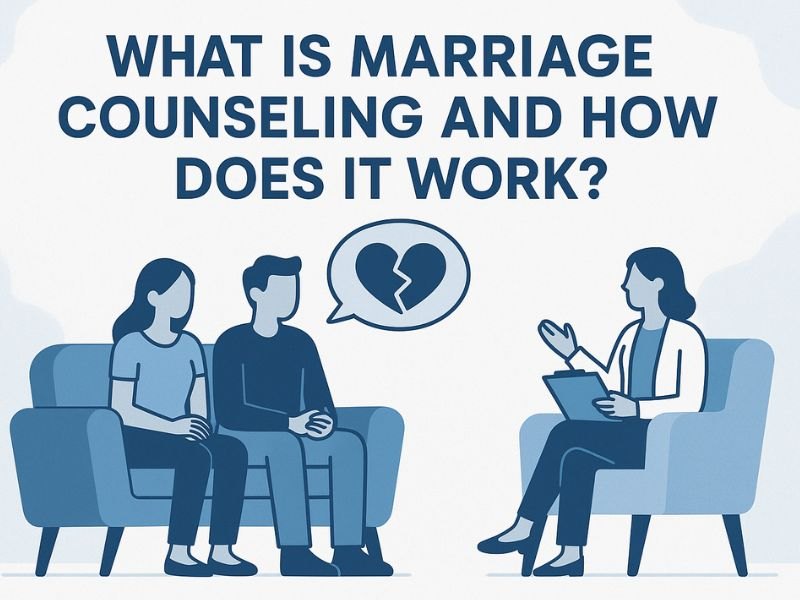
Family members participation matters tremendously in child and teen therapy. Parents need education and learning concerning OCD and trauma to prevent accidentally strengthening signs and symptoms-- like giving too much reassurance that temporarily reduces anxiety but strengthens the OCD cycle. Therapists collaborating with young people generally consist of parent training, training member of the family exactly how to support their youngster's healing while keeping appropriate borders around compulsions.
The adolescent mind's neuroplasticity suggests teens frequently respond promptly to trauma treatment, sometimes quicker than grownups whose patterns have actually calcified over years. Early treatment can stop OCD and injury signs and symptoms from ending up being entrenched, offering youngsters devices that serve them throughout their lives.
Browsing Pain While Managing OCD

Pain adds another layer of complexity for individuals with OCD and injury histories. Loss-- whether through fatality, separation, or other significant life changes-- can trigger OCD sign concentration. The uncertainty inherent in despair feels excruciating to a mind that seeks control via obsessions. Intrusive thoughts about the person you have actually lost, or is afraid concerning extra losses, can come to be frustrating.
Sorrow therapy for clients with OCD needs a nuanced method. Criterion grief work urges resting with uncomfortable feelings, but also for somebody with OCD, this can cause compulsive habits intended at leaving pain. Reliable treatment helps you create distress resistance while gradually refining sorrow, training you to experience sadness without it spiraling right into anxiety-driven compulsions.
Lots of people discover that unsettled despair underlies their OCD signs and symptoms. A childhood loss that was never ever appropriately mourned might materialize years later as intrusive ideas about fatality or compulsive habits focused on stopping future losses. When sorrow gets acknowledged and refined-- typically with EMDR or brainspotting-- the OCD symptoms connected to that loss often diminish.
Finding Integrated Therapy That Functions
Effective treatment for OCD and trauma requires therapists who recognize both conditions totally and can incorporate multiple therapeutic techniques. A clinician educated specifically in conventional OCD treatment might miss trauma parts driving signs and symptoms. Conversely, a trauma expert without OCD experience might accidentally enhance compulsions with well-meaning however counterproductive treatments.
Look for specialists offering extensive assessments that discover your total history-- not just present signs and symptoms. The right medical professional will ask regarding childhood experiences, previous losses, and the context in which your OCD symptoms arised. They'll have training in evidence-based approaches like EMDR and brainspotting alongside OCD-specific interventions like ERP.
The healing connection itself enters into the recovery procedure. For individuals whose trauma entails dishonesty or whose OCD creates embarassment concerning invasive thoughts, finding a therapist that provides authentic approval and competence produces the safety required for deep job. Recuperation isn't almost symptom decrease-- it's regarding reclaiming your life from patterns that have held you restricted.

Whether you're fighting with intrusive thoughts that will not silent, obsessions that consume hours of your day, or trauma that continues affecting your existing, efficient aid exists. The integration of trauma treatment with OCD treatment offers paths to liberty that address origin rather than simply handling signs and symptoms. Your healing trip is possible, and it begins with discovering assistance that comprehends the full complexity of what you're experiencing.

Table of Contents
- – The Hidden Connection In Between OCD and Trauma
- – When Anxiety Becomes Much More Than Worry
- – EMDR: Reprocessing Injury to Lower OCD Symptoms
- – Brainspotting: Accessing Deeper Trauma Patterns
- – Supporting Kids and Teens Via OCD and Trauma
- – Browsing Pain While Managing OCD
- – Finding Integrated Therapy That Functions
Latest Posts
Symptoms That Might Need Clinical Services
Peer Support with Acceptance and Commitment Therapy
Sharing Tools in Relationships
More
Latest Posts
Symptoms That Might Need Clinical Services
Peer Support with Acceptance and Commitment Therapy
Sharing Tools in Relationships